
tinted tempered glass
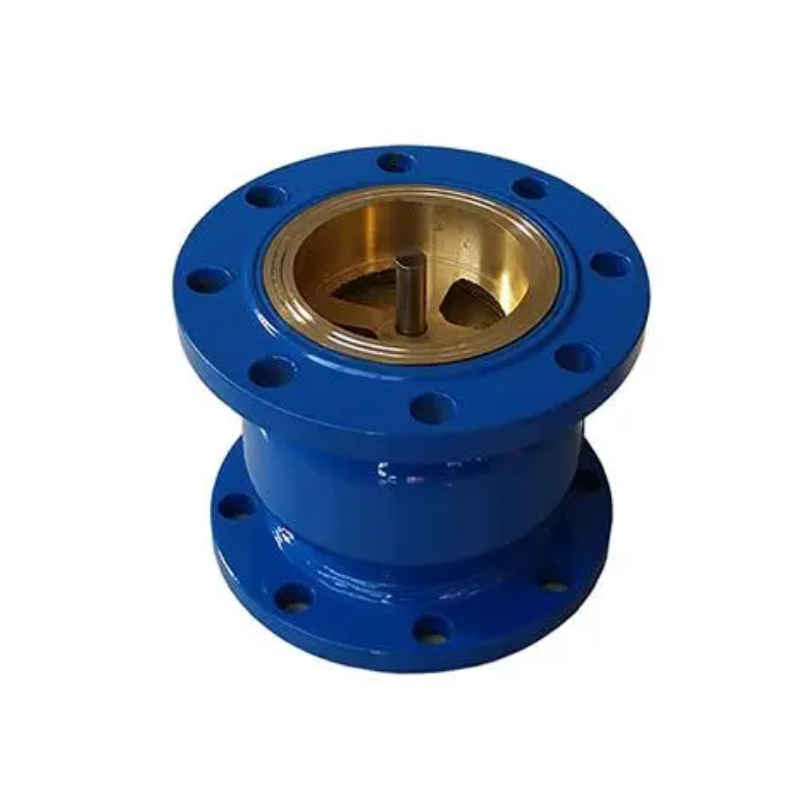
Understanding the Price of 10% 20 Inch Butterfly Valves When it comes to industrial applications, valves play a critical role in regulating the flow of liquids and gases. Among various types of valves, the butterfly valve is particularly popular due to its simple design, compact structure, and efficient operation. A specific category worth discussing is the 10% 20 inch butterfly valve. This article delves into the factors influencing its pricing, market demand, and typical applications. What is a Butterfly Valve? A butterfly valve is a quarter-turn valve that uses a rotating disc to control the flow of fluid. The disc is mounted on a shaft, and when the valve is opened, the disc rotates to allow flow. Conversely, when closed, the disc blocks the flow completely. These valves are favored in applications requiring quick shut-off and regulation of flow, making them ideal for various sectors, including water treatment, chemical processing, and HVAC systems. Factors Influencing the Price 1. Material Composition The price of a 10% 20 inch butterfly valve can vary significantly based on the materials used in its construction. Valves made from high-grade materials such as stainless steel or special alloys tend to be more expensive than those made from basic carbon steel. The choice of material impacts not only the cost but also the valve's durability, resistance to corrosion, and suitability for different mediums. 2. Design and Specifications The design complexity, including features like the type of sealing mechanism (such as elastomeric or metal seals), can affect the price. Valves with advanced designs that ensure minimal leakage and increased efficiency typically command a higher price due to the additional engineering and manufacturing processes involved. 10 inch butterfly valve price 3. Size and Pressure Rating The size of the valve, in this case, 20 inches, is a significant factor in its price. Larger valves generally require more material and more robust construction to handle higher flow rates and pressures. Additionally, the valve's pressure rating and its ability to withstand varying temperatures can also influence its cost. 4. Market Demand Prices can fluctuate based on market demand. For instance, during periods of increased construction or industrial activity, the demand for components such as butterfly valves can rise, leading to price increases. Conversely, during economic downturns, demand may decrease, affecting prices. 5. Manufacturing and Brand Reputation The manufacturer’s reputation plays a crucial role in pricing. Established brands with a proven track record for quality and reliability may charge a premium for their products. Additionally, manufacturing practices, including automation and quality control, can lead to price variations among suppliers. Typical Applications 10% 20 inch butterfly valves are commonly used in various applications. Their ability to handle large volumes of fluids makes them suitable for water supply systems, wastewater treatment plants, and fire protection systems. Additionally, they are found in the food and beverage industry, oil and gas transmission, and chemical manufacturing, reflecting their versatility across sectors. Conclusion In summary, the pricing of a 10% 20 inch butterfly valve is influenced by various factors, including material composition, design, size, and market demand. Understanding these factors can help buyers make informed decisions when purchasing valves for their specific applications. By investing in a quality butterfly valve, industries can ensure efficient flow control and contribute to the overall operational efficiency of their systems. As with any industrial component, obtaining quotes from multiple suppliers and considering the total cost of ownership will lead to the best purchasing decision.
about
tinted tempered glass
The Unseen Role of Pigeon Spikes A Tale of Urban Coexistence In the bustling heart of our cities, an often-overlooked aspect of urban design plays a crucial role in maintaining public space hygiene and safety - pigeon spikes. These seemingly insignificant metal or plastic protrusions, known as pigeon spikes, have become a ubiquitous feature on ledges, statues, and rooftops, serving as a deterrent against our feathered friends. Pigeons, with their innate adaptability, have thrived in the concrete jungle, making them a common sight in parks, squares, and cityscapes worldwide. While they add a touch of nature to our urban lives, their droppings can pose significant problems. Not only are they unsightly, but they can also cause damage to buildings, infrastructure, and even pose health risks due to the presence of harmful bacteria and fungi. Pigeon spikes, though often seen as an aggressive measure, are actually a humane way of managing these avian populations. Unlike other methods such as poison or traps, spikes do not harm the birds directly. Instead, they create an uncomfortable landing surface, discouraging pigeons from perching and nesting in unwanted areas. This strategy promotes a balance between human habitation and wildlife coexistence without resorting to lethal measures. The installation of pigeon spikes is a testament to the evolving relationship between humans and wildlife in the modern era The installation of pigeon spikes is a testament to the evolving relationship between humans and wildlife in the modern era The installation of pigeon spikes is a testament to the evolving relationship between humans and wildlife in the modern era The installation of pigeon spikes is a testament to the evolving relationship between humans and wildlife in the modern era pigeon spikes . It reflects our understanding of the need for urban planning that considers the impact on all inhabitants, including non-human ones. However, it also raises questions about the ethical implications of altering natural behaviors and the responsibility we have towards the creatures sharing our spaces. Furthermore, while pigeon spikes offer a practical solution, they are not a comprehensive answer to the complex issue of urban wildlife management. They do not address the root causes of overpopulation, such as the abundance of food sources and lack of natural predators in urban environments. Therefore, alongside physical deterrents, there's a need for broader strategies that include education, waste management, and habitat modification. In conclusion, pigeon spikes are a small yet significant part of our urban landscape, symbolizing the ongoing negotiation between human development and wildlife conservation. They serve as a reminder of the delicate balance we strive to maintain in our cities, and the constant adaptation required to ensure a harmonious coexistence. As we continue to shape our urban environments, let us remember the role these humble spikes play in fostering a more sustainable and considerate future.
-

High quality industrial productsagement

High quality industrial products
View Details -

Meet the diverse needs of customers

Meet the diverse needs of customers
View Details -

Strict quality control

Strict quality control
View Details -

Top raw materials

Top raw materials
View Details -

Trusted supplier

Trusted supplier
View Details
Our application


news and information
válvula de controlo
Válvulas de Controle Essencial para a Automação Industrial As válvulas de controle desempenham um pa
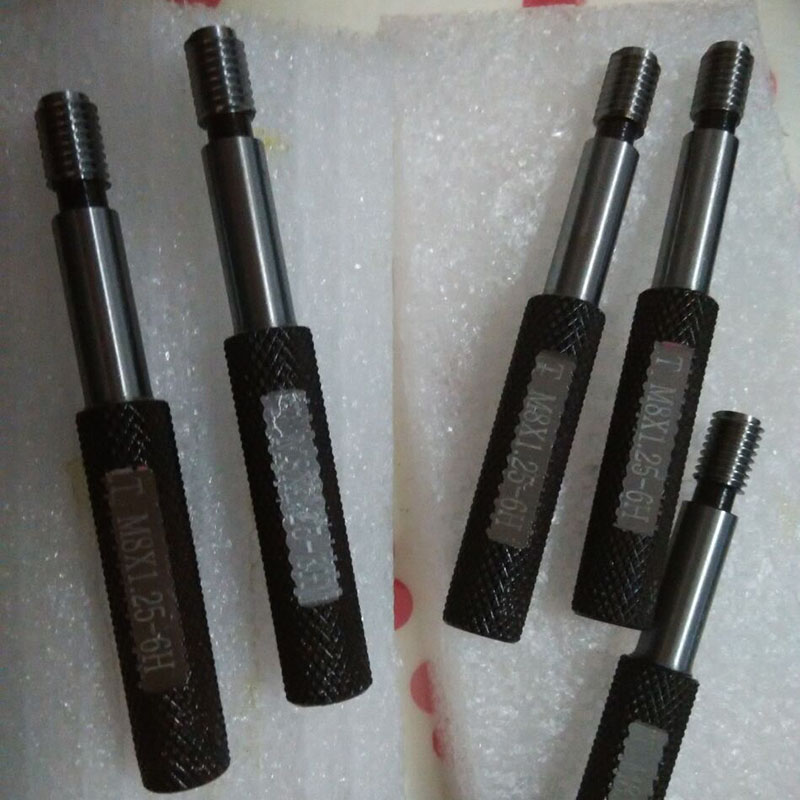
water valve shutoff
Navigating the realm of home maintenance and plumbing systems can often be a daunting task for homeo
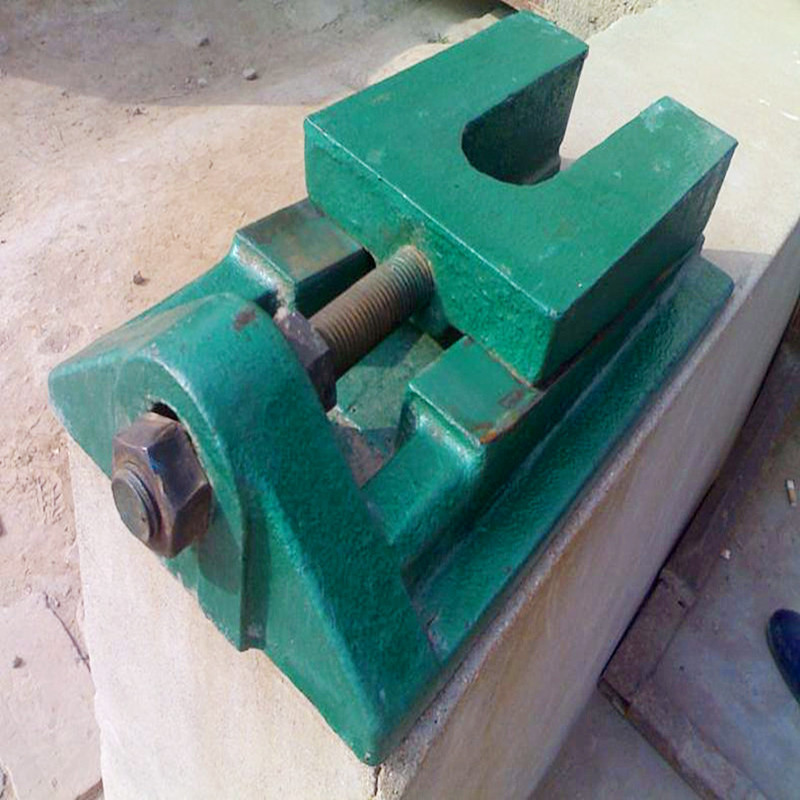
Welding Fabrication Techniques and Best Practices for Efficient Projects
Understanding the Importance of Welding Fabrication Tables in the Industry Welding fabrication table
 English